
Why Families Choose DES
Personalized Executive Function Coaching Built Around Long-Term Independence
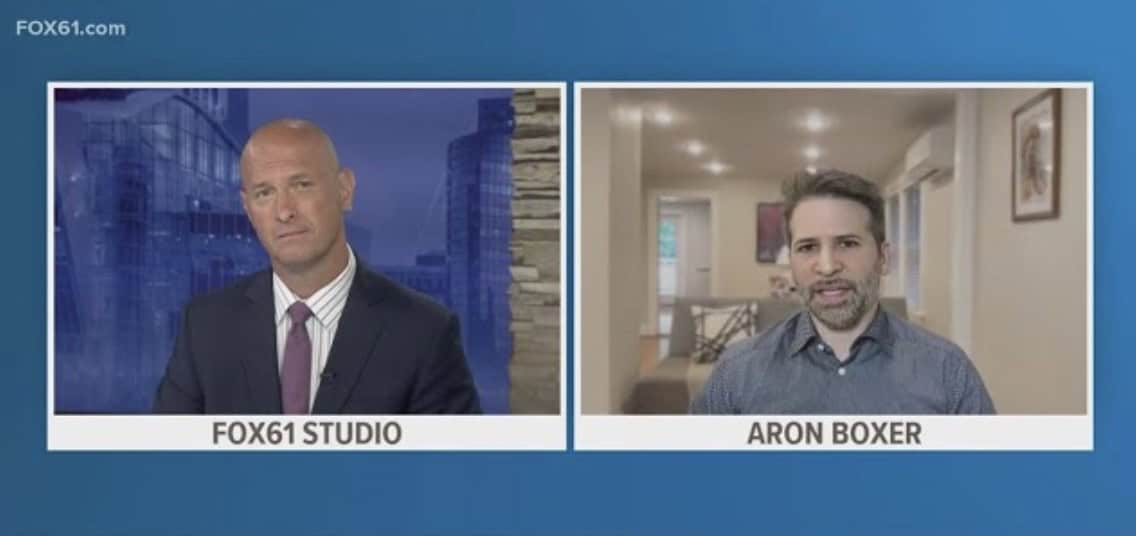
Aron Boxer discussing executive functioning and education during a Fox61 interview.






Media appearances include features on Fox News, CBS News, and other national outlets. View media appearances →
Executive Function Coaching in Greenwich, CT: Built Here. Trusted Here.
Since 2009, DES has supported students and adults in developing the executive functioning skills that drive performance, planning, organization, time management, prioritization, and follow-through.
Many of the students we work with are bright and capable, yet struggle with consistency, organization, accountability, and independent execution.
Our coaching model is structured, measurable, and relationship-based, designed to promote independence rather than dependency.
Families often come to DES after years of nightly homework battles, inconsistent routines, missing assignments, and growing frustration despite clear academic ability.
Our goal is not simply better grades. It is stronger self-management, improved confidence, reduced stress at home, and long-term independence.
“Lazy” Is a Four-Letter Word
Over more than a decade of working with families, we’ve learned that most underperformance is not a motivation issue.
It is a skills issue.
Many students who appear “lazy” are actually struggling with executive functioning challenges involving planning, task initiation, organization, pacing, prioritization, and follow-through.
At DES, we do not view underperformance as a character flaw. More often, it reflects underdeveloped executive functioning skills.
Without those systems, intelligence alone rarely produces consistent performance.
Greenwich parent of a Brunswick School 7th grader
Why Traditional Tutoring Often Falls Short
Traditional tutoring often focuses on completing assignments, correcting answers, or preparing for upcoming tests.
But many capable students already understand the material.
What they struggle with is:
- Planning
- Organization
- Time awareness
- Task initiation
- Prioritization
- Follow-through
Without those systems, academic knowledge alone does not consistently translate into performance.
DES focuses on building the executive functioning skills that allow students to apply their intelligence more consistently and independently across environments.
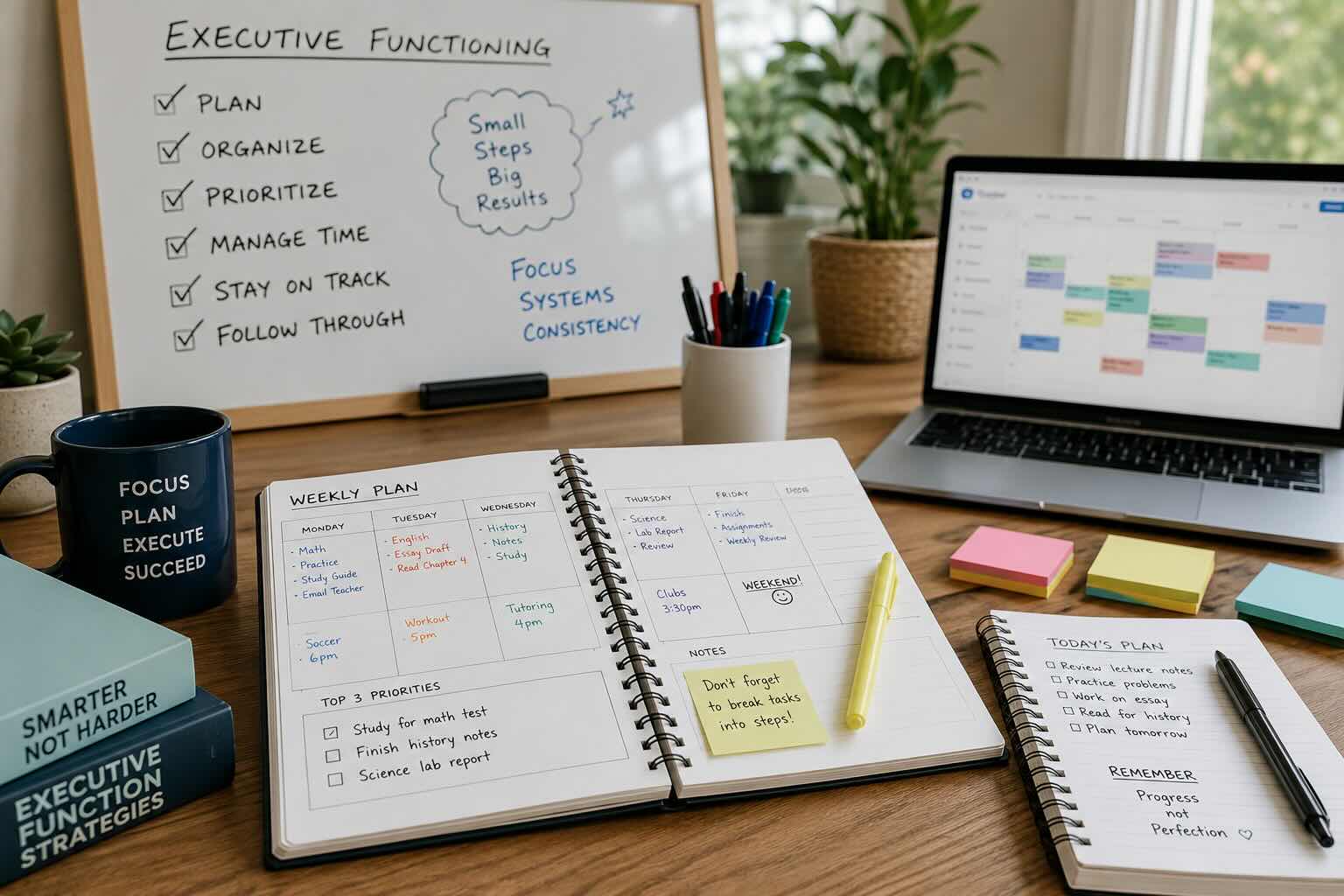
A Structured Approach to Executive Function Development
Executive functioning skills strengthen through consistent modeling, guided practice, accountability, and repetition over time.
Our coaching sessions focus on identifying patterns, refining systems, and helping students develop practical tools that improve organization, planning, pacing, and independent execution.
As systems strengthen, confidence follows.
What begins as external accountability gradually becomes internal regulation and self-management.
The goal is durable independence, not short-term motivation.
Learn more about our team and educational philosophy.
Greenwich High School parent of an 11th grader
Relationship-Based Executive Function Coaching
Students are far more likely to accept accountability, develop routines, and build confidence when trust is established first.
DES places a strong emphasis on relationship-based coaching because meaningful growth often depends on consistency and connection.
This relationship-centered approach allows coaching to become more effective over time.
Why This Work Is Personal
For Aron, this work is not only professional. It is personal.
Aron is part of a blended family that includes children with diverse learning and developmental profiles, including ADHD and autism.
That personal perspective strengthens the DES approach. Families are not just looking for better grades. They are looking for someone who understands what it feels like when a capable child struggles, when home becomes stressful, and when parents need practical support that actually works.
Outside of work, Aron enjoys spending time with family, playing guitar, practicing martial arts and yoga, and spending time with his two poodle-mix dogs, Brody and Lola.
Executive Function Coaching in Greenwich, Fairfield County, and Westchester County
DES supports students and families throughout Greenwich, Fairfield County, Westchester, and surrounding communities through personalized executive function coaching and academic support.
We also provide support for college students and adults developing executive functioning skills.
Sessions are available in-person or virtually depending on student needs and logistics.
Frequently Asked Questions
Why can’t an otherwise intelligent and successful parent simply coach their child out of executive dysfunction?
Executive dysfunction is rarely solved through intelligence, logic, reminders, or increased pressure alone. Parents are emotionally connected to their children, which can make accountability, consistency, and follow-through more difficult to sustain over time. Students often respond differently to structured external coaching because it introduces neutrality, consistency, and relationship dynamics that are harder to maintain within the parent-child relationship.
Why do families choose DES over traditional tutoring?
Many capable students already understand academic material yet still struggle with planning, consistency, organization, and follow-through. DES focuses on building the systems and executive functioning skills that support long-term independence and performance. Families choose DES for executive function coaching in Greenwich, CT because we integrate skill-building, accountability, and individualized academic support.
Why does DES place such a strong emphasis on relationship-building?
Students are far more likely to accept accountability, develop routines, and build confidence when trust is established first. DES prioritizes authentic relationships because meaningful progress often depends on connection and consistency.
Why does DES focus so heavily on independence?
The goal is not long-term dependency on tutoring or coaching. DES helps students gradually develop the structure, habits, and self-management skills needed to function more independently over time rather than relying on constant external prompting from parents, teachers, or coaches.
Why do many bright students continue to underperform?
Academic ability alone does not automatically produce strong organization, planning, prioritization, or follow-through. Executive functioning skills develop separately from intelligence, which is why highly intelligent students may still struggle with consistency, time management, and organization.
Why does DES require consistent weekly support?
Executive functioning skills strengthen through structure, accountability, guided practice, and repetition over time. Combined with our relationship-based approach, consistent weekly sessions allow students to gradually internalize systems, routines, and strategies more effectively.
Why is the DES approach effective at reducing stress at home over time?
Once students begin developing stronger planning, organization, communication, and accountability skills, many families experience fewer nightly conflicts surrounding schoolwork, deadlines, and follow-through. Consistency, structure, and relationship-based coaching often help create a calmer and more productive home environment over time.
What qualifies a DES executive function coach?
Every DES executive function coach is a certified special education teacher. Our founder, Aron Boxer, M.Ed., taught special education in the Greenwich Public Schools and served as Director of Special Services at Greenwich Catholic School before building DES, and he takes the first consultation call with every family himself. Coaches are matched to the student, and the same coach works with that student every week.
How can I tell a serious executive function coaching provider from one with a weekend certificate?
Ask who will actually work with your student and what their credential is. Ask whether the same coach comes every week, how progress is reported to you, what happens when a session is missed, and whether you can speak with the founder before you commit. A serious provider answers all five without hesitation.
Is there evidence that executive function coaching works?
Some. Published studies of ADHD and executive function coaching, including one randomized trial with college students, report gains in self-regulation, study habits, and follow-through. They are small studies, and there are no large independent trials of private coaching, so DES does not promise grades. What we can show you is what the work looks like week to week and what you should expect to see in the first month: the student showing up, the plan getting followed, and fewer surprises about what is due.
Greenwich Country Day School parent of an 8th grader
Explore More DES Resources